



Organised by the Tribal Development Department & Cultural Research Institute, Govt. of West Bengal, with financial assistance from the Ministry of Tribal Affairs, Govt. of India. Conducted with the assistance of Bargach Foundation.
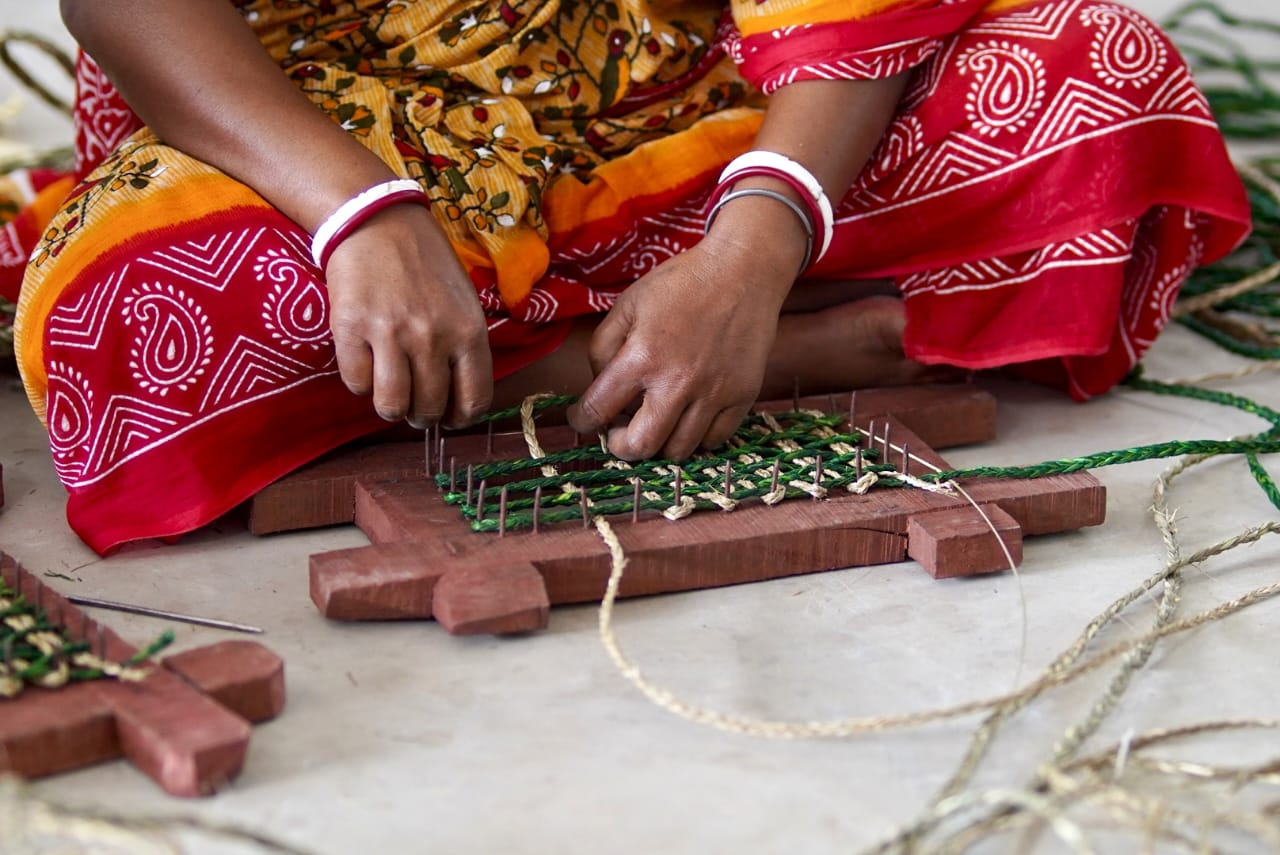
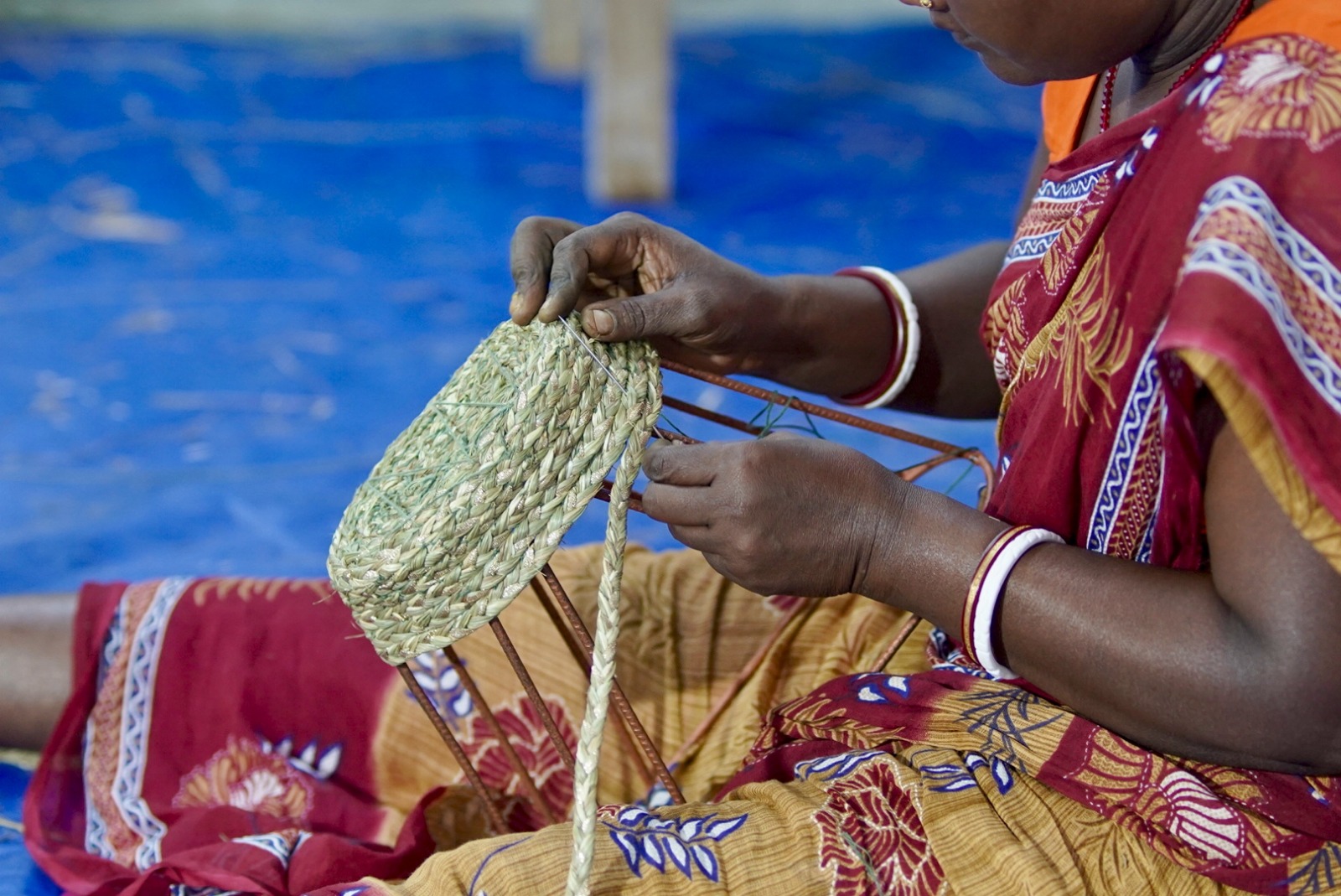
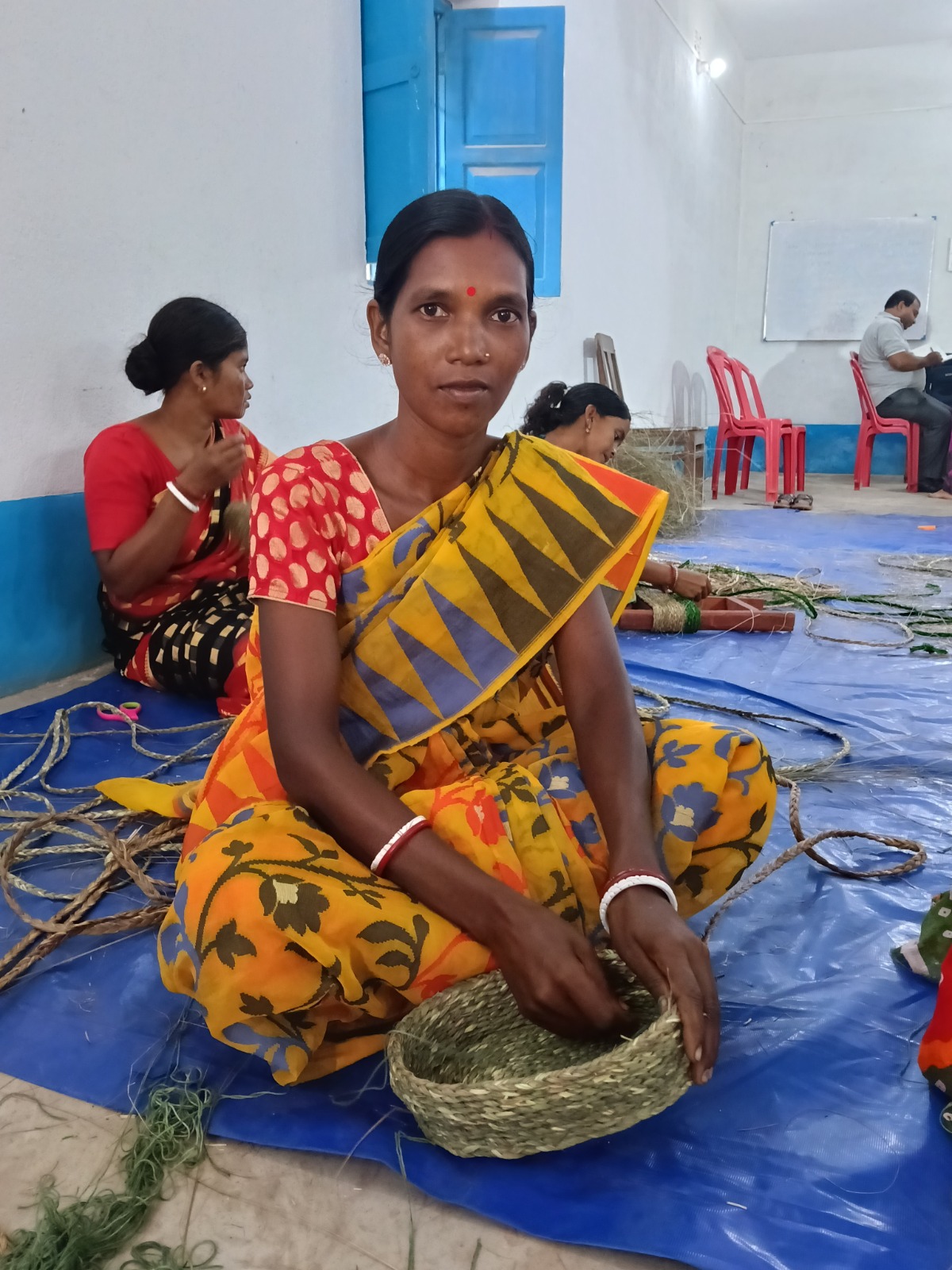
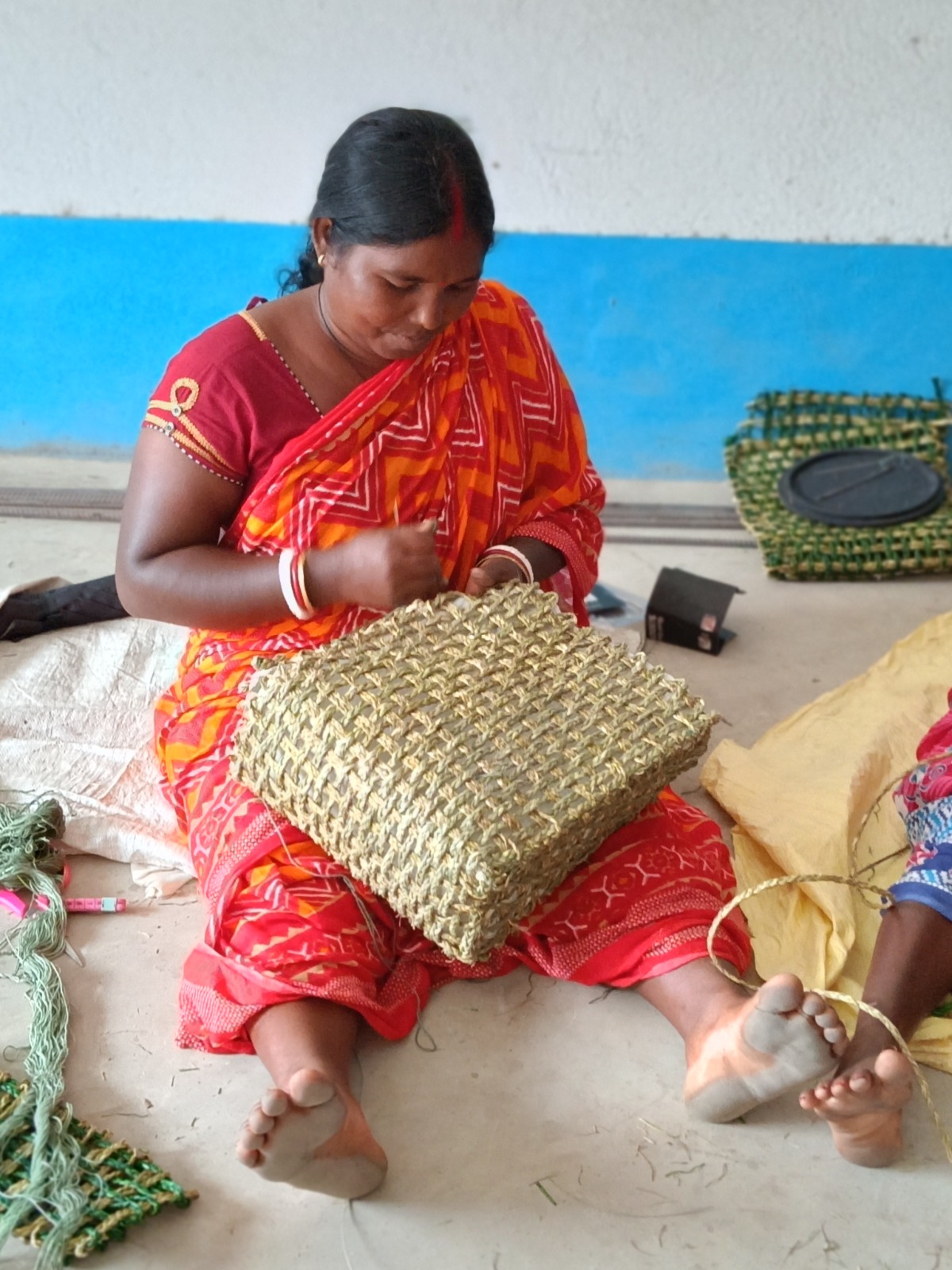
This is a five-day intensive training programme conducted at LAMPS, Belpahari, Jhargram, West Bengal, from 22.09.2026 to 26.09.2026. The programme was organised by the Tribal Development Department & Cultural Research Institute, Govt. of West Bengal, with financial assistance from the Ministry of Tribal Affairs, Govt. of India — and conducted with the assistance of Bargach Foundation.
The interactive nature of the training encouraged participants to share their traditional knowledge and acquire improved techniques. The training was provided under the expertise of Mr. Hiralal Mahata and Mr. Gopal Vagat, with raw materials related to the necessary activities provided by the organisation.
From fundamental braiding techniques to market-ready product development — the participants built their craft over five focused days at LAMPS, Belpahari.
On the first day, the ladies were taught to make binunis with sabai grass, corn husks, and different threads — laying the foundation for the more complex products to come.
Breakfast and lunch were provided to all participants, along with a 30-minute refreshment break — during which participants were encouraged to interact with each other.
Coordination meetings were conducted with the following field-level representatives to discuss SHG group formation and support mechanisms:
Breakfast and lunch were provided to all participants.
Day 3 further strengthened the practical skills of the tribal artists and supported the development of diversified Sabai Grass products. Upcoming sessions focused on skill enhancement, product development, finishing techniques, quality improvement and packaging creativity.
Breakfast and lunch were provided to all participants.
Day 4 further strengthened the practical skills of the tribal artists and supported the development of diversified, value-added Sabai Grass products.
Participants successfully made various Sabai Grass products — laundry bags, large-size lunch bags, totes, bread and fruit baskets, table mats, Roti Boxes, handbags, and coasters of different sizes.
Certificates were distributed to all 23 trainees upon successful completion of the training programme.
All 23 trainees received training toolkits and essential materials — scissors, threads, needles, ropes, bag-making structures, colours, large pots for colour preparation, bowls, spoons, hammers, wooden frames, iron frames and other necessary tools. These materials enable the trainees to continue practising and developing Sabai Grass products independently.
The finished products — laundry bags, large-size lunch bags, totes, bread and fruit baskets, table mats, Roti Boxes, handbags and three different sizes of coasters — were all purchased by the organisation. The proceeds generated were equally distributed among all 23 trainees.
All 23 participants expressed their happiness and satisfaction with the training. They requested that similar and advanced training programmes be organised in the future to further strengthen their skills, product development capabilities and livelihood opportunities.
Shri Kalyan Mukhopadhyay, IPS (Retd.-IG) interacted with the trainees and encouraged them to further develop their skills and explore sustainable livelihoods through Sabai Grass products.
Breakfast and lunch were provided to all participants, along with a 30-minute break during the training session.
Marketing planning and forward-linkage activities have been initiated alongside the five-day training — creating a practical pathway towards market access, income generation and sustainable livelihoods for the participating tribal artisans.
Products developed include Roti Boxes, Coasters, Table Mats, Various Bags, Food Baskets and Storage Baskets. The immediate objective is to finalise approximately 5–7 standardised and commercially viable products for focused market promotion.
Key parameters: standard size and dimensions, proper drying and treatment of Sabai Grass, strong stitching, uniform finishing, consistent design, durability, clean packaging and product identification. Process: Artisan → Cluster-Level Quality Check → Buyer Approval.
Proposed brand identity: “Sabai Craft of Belpahari” — Handmade by Tribal Artisans of Jhargram, West Bengal. Product tags and artisan story cards are proposed to communicate the background and value of each product.
Exploring opportunities through Tribal Development Department, WBTDCC, BDO offices, Panchayat-level institutions, government departments, district fairs, state-level handicraft fairs, CSR and institutional events.
Exploring Flipkart and other suitable e-commerce platforms, WhatsApp-based direct sales, and social-media promotion — for approximately 5–7 standardised products, after quality standardisation and professional photography.
Potential buyer segments include Banks and NBFCs, corporate houses, CSR foundations, hotels, educational institutions, hospitals and event organisers. Products: conference gifts, employee gifts, sustainable hampers, welcome kits and festival/corporate gifts.
A Forward-Linkage Buyer Database is being planned to systematically record: organisation/buyer name, contact person, mobile and email, buyer category, product interest, quantity, price expectation, sample status, order status, follow-up date, and remarks. This system will support continuous market-linkage activities and reduce dependence on individual contacts.
The five-day Capacity Building Programme provided the 23 participating tribal artists with practical skills in diversified Sabai Grass product development, finishing, design and value addition.
The distribution of training toolkits and materials will further support the trainees in continuing their practice and production independently. The successful completion of the programme, certificate distribution, sale of finished products, and equal distribution of proceeds among the trainees provided a positive conclusion to the training initiative.
The participants' feedback also highlighted their interest in advanced skill development, product diversification, market linkages and sustainable livelihood opportunities through Sabai Grass-based products.
The initiative aims to develop a practical and scalable livelihood model that connects Sabai Grass craftsmanship, market demand, and community-based economic opportunities in Belpahari, Jhargram.